


31 Jul What Happens If Your Arizona Home Doesn’t Sell?
One of the biggest questions I hear from homeowners is, “What happens if my home doesn’t sell?”
If you’ve been watching the real estate market lately, you’ve probably noticed that some homes are selling quickly while others seem to sit for weeks or even months. It can be frustrating, especially if you’re preparing to sell your own home or your listing isn’t getting the activity you expected.
The first thing I want you to know is this: if your home doesn’t sell right away, it doesn’t automatically mean there’s something wrong with it.
In most cases, it’s simply the market giving us information. The key is understanding that feedback and deciding what adjustments, if any, should be made.
Why Homes Don’t Sell
There are several reasons a home may stay on the market longer than expected.
One of the biggest factors is pricing. Buyers today have access to more information than ever before. They’re comparing your home to every similar property currently available, and they’re making decisions based on what they believe offers the best value.
Sometimes sellers are pricing their home based on what a neighbor sold for last year or what an online estimate suggests. While those can be helpful reference points, buyers are shopping in today’s market, not last year’s.
If enough buyers are viewing your listing but no one is making an offer, that’s often a sign it’s time to take a closer look at your pricing strategy.
It’s Not Always About Price
While price is often part of the conversation, it isn’t always the only reason a home isn’t selling.
Presentation matters more than many people realize.
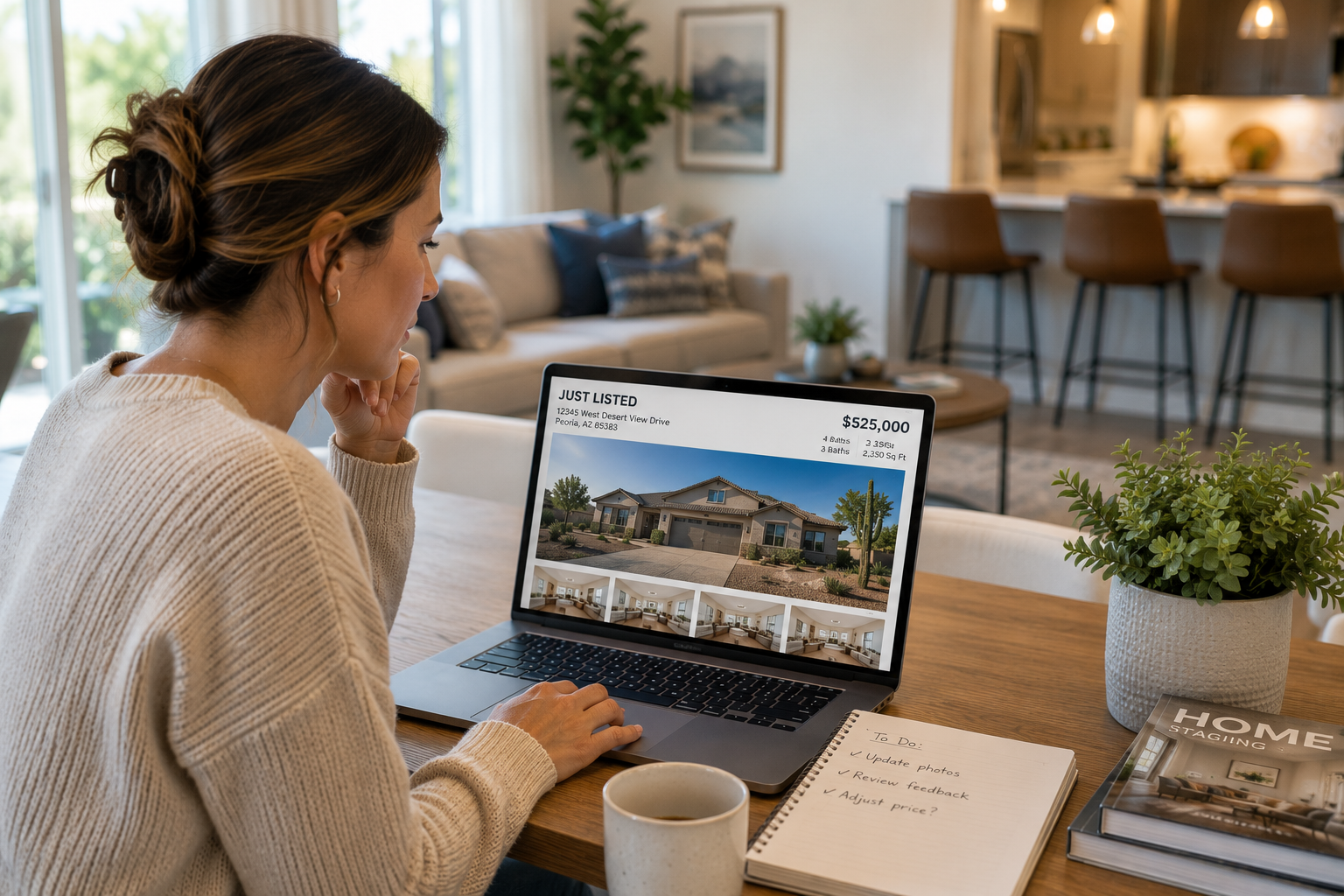
Today’s buyers almost always see your home online before they decide whether to schedule a showing. If the listing photos don’t highlight your home’s best features, buyers may scroll right past it without giving it a second thought.
I’ve also seen situations where a home simply feels too cluttered, furniture makes rooms appear smaller, or a few simple repairs distract buyers from everything the home has to offer.
Sometimes fresh photography, decluttering, better staging, or improving curb appeal can completely change how buyers respond.
The goal is to help buyers picture themselves living in the home from the moment they see it online.
What Buyers Think When a Home Sits on the Market
This is something many sellers don’t think about.
When a listing has been active for a long time, buyers naturally begin asking themselves questions.
“Why hasn’t it sold?”
“Is something wrong with it?”
“Is the seller asking too much?”
Even if the home is in excellent condition, those questions can affect how buyers view the property.
That’s why it’s usually better to make thoughtful adjustments early rather than letting a listing become stale.
Should You Lower the Price?
This is probably the hardest conversation sellers have.
No one enjoys reducing the price of their home, especially if they had a certain number in mind.
But sometimes a small price adjustment can generate new interest, attract additional buyers, and ultimately lead to a stronger offer than letting the home sit on the market for several more months.
Every situation is different, which is why it’s important to look at showing activity, buyer feedback, competing listings, and current market conditions before making that decision.
Price should always be part of a strategy, not an emotional decision.

Should You Take Your Home Off the Market?
Another question I hear is whether it makes sense to cancel the listing and try again later.
The answer depends on your situation.
Sometimes updating the marketing strategy while keeping the home on the market is the best approach.
Other times, taking a short break, making improvements, updating the photography, and relaunching the home with a fresh strategy can make sense.
There isn’t one solution that works for every seller.
The right approach depends on your goals, your timeline, and what the market is telling us.
Listen to the Market, Not Your Emotions
Selling a home is personal.
You’ve created memories there, invested time and money into it, and naturally want it to sell for the best possible price.
Buyers, however, don’t see those memories.
They’re comparing your home with every other home they’ve toured, and they’re deciding which one feels like the best fit for them.
That’s why I always encourage sellers to focus on facts instead of frustration.
Showing activity.
Buyer feedback.
Market conditions.
Those are the things that help guide smart decisions.
A Home That Doesn’t Sell Isn’t a Failed Sale
One of the biggest misconceptions is that if your home doesn’t sell during the first few weeks, you’ve somehow missed your opportunity.
That simply isn’t true.
Sometimes a home needs a different pricing strategy.
Sometimes it needs better marketing.
Sometimes the market changes while it’s listed.
The important thing is being willing to adjust instead of assuming nothing can be done.
I’ve found that sellers who stay flexible and respond to what the market is telling them are often the ones who have the best outcomes.
If you’re thinking about selling your home in Glendale, Peoria, Arrowhead Ranch, Vistancia, or anywhere in the Northwest Valley, and you’d like an honest opinion before you list, or if your home hasn’t sold and you’re wondering what to do next, I’d be happy to share what I’m seeing in today’s Arizona market and help you build a strategy that gives you the best chance for success.