


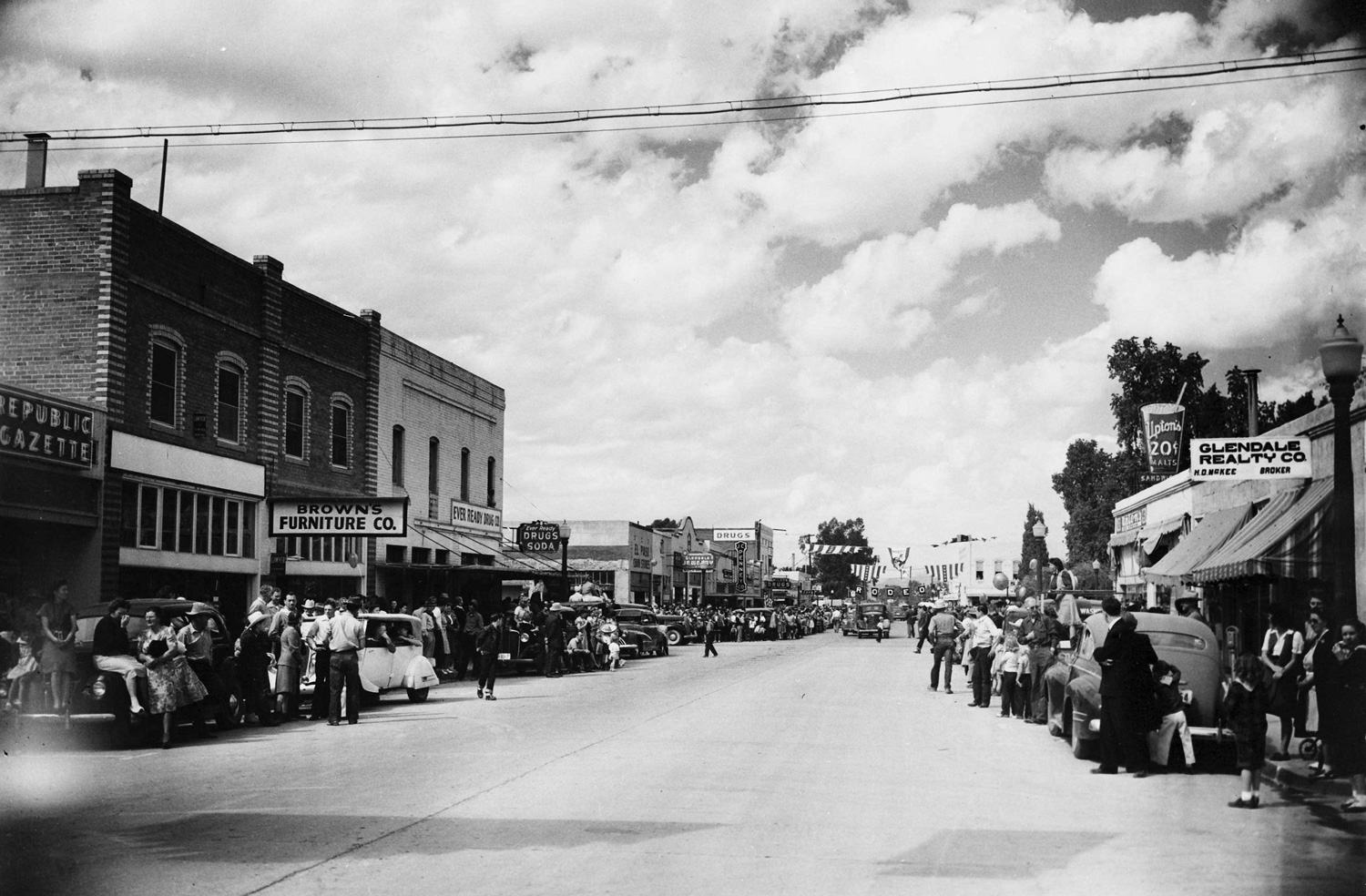
24 Nov 4 Hidden Historic Places in Glendale and North Phoenix You’ve Probably Driven Past
Have you ever driven past an old building or a park in Glendale or North Phoenix and wondered what used to be there?
I’ve lived in the Northwest Valley for a long time, and there are still places around here with stories that surprise me.
We’re so used to seeing new subdivisions, shopping centers, and busy roads that it’s easy to forget how different this area looked 100 years ago. Or even thousands of years ago.
And some of that history is still sitting right in the middle of our neighborhoods.
I recently put together a video about four places in Glendale and North Phoenix that have some pretty interesting stories behind them. If you enjoy local history, these are worth knowing about.
1. Deer Valley Petroglyph Preserve: Ancient History in North Phoenix
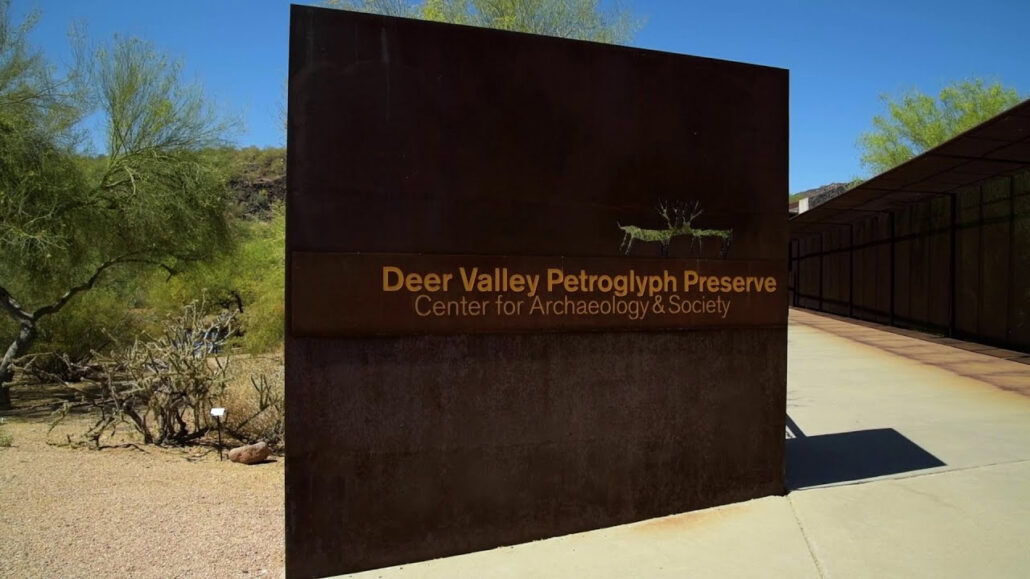
3711 W. Deer Valley Road, Phoenix, AZ 85308
Not far from 35th Avenue and Deer Valley Road is a place that many people probably don’t even realize exists.
It’s called the Deer Valley Petroglyph Preserve, and it contains more than 1,500 ancient petroglyphs spread across 579 boulders.
These aren’t just a few markings on rocks. This is a 47-acre archaeological preserve, and some of the petroglyphs are estimated to be thousands of years old.
The site came to wider attention around 1980, when archaeological investigations were conducted before construction of Adobe Dam. Researchers documented the petroglyphs, along with other evidence of people who had used the area long before modern Phoenix existed.
Today, Arizona State University operates the preserve.
There’s a quarter-mile walking trail where visitors can see many of the petroglyphs and learn about the Indigenous cultures connected to the site.
What I find so interesting is the location.
You can be driving along Deer Valley Road, surrounded by homes and businesses, without realizing that people were leaving their marks on these rocks thousands of years before any of those neighborhoods existed.
If you’re looking for something different to do in North Phoenix, this is worth checking out.
Visit the Deer Valley Petroglyph Preserve website for admission details and current visiting hours.
2. Manistee Ranch: A Piece of Glendale’s Farming Past
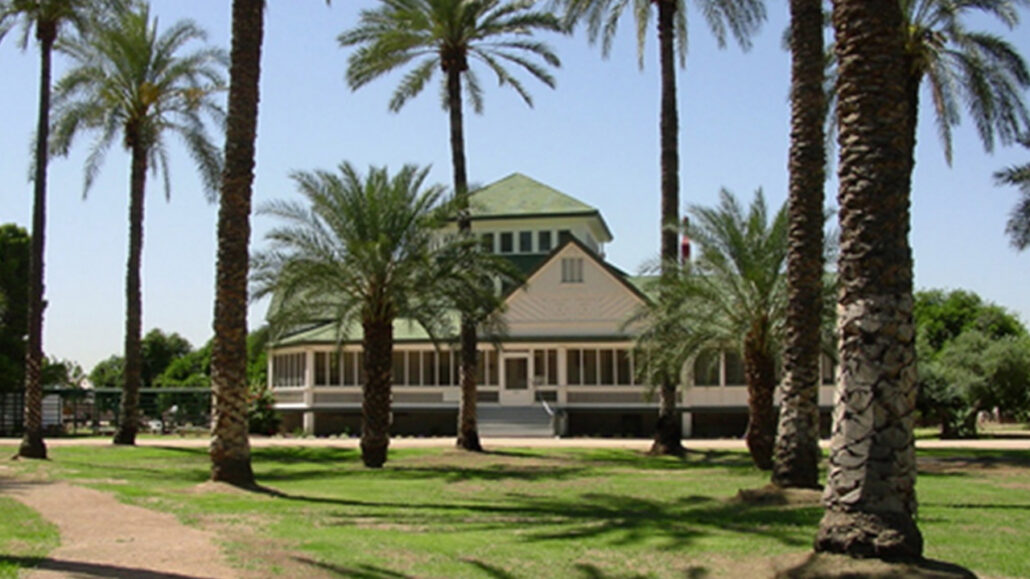
Near 51st Avenue and Northern Avenue, Glendale, AZ
Here’s another place that’s easy to overlook.
Manistee Ranch sits near one of Glendale’s busy intersections, surrounded by neighborhoods and businesses.
But the property dates back to 1897.
The ranch was originally established by Herbert W. Hamilton, a lumber businessman from Wisconsin. It covered approximately 320 acres, which is hard to imagine when you look at the surrounding area today.
In 1907, the property was purchased by Louis M. Sands, and it remained in the Sands family for decades.
The family raised livestock and grew citrus and dates on the property. Some of the palm trees still standing there are more than 100 years old.
And here’s a connection to Glendale’s history that I found especially interesting.
Part of the former ranch property was eventually leased for the development of Valley West Mall, Glendale’s first shopping mall.
So the next time you’re sitting at a traffic light near 51st Avenue and Northern, think about how different that entire area once looked.
Instead of shopping centers, businesses, and subdivisions, there was a working ranch.
Today, the preserved property includes the historic house, barn, office, and garage, along with gardens and walking areas.
It’s a small piece of Glendale’s agricultural past that has survived while almost everything around it has changed.
You can find more information about visiting Manistee Ranch through the City of Glendale website.
3. Sahuaro Ranch Park: Buildings Older Than the State of Arizona
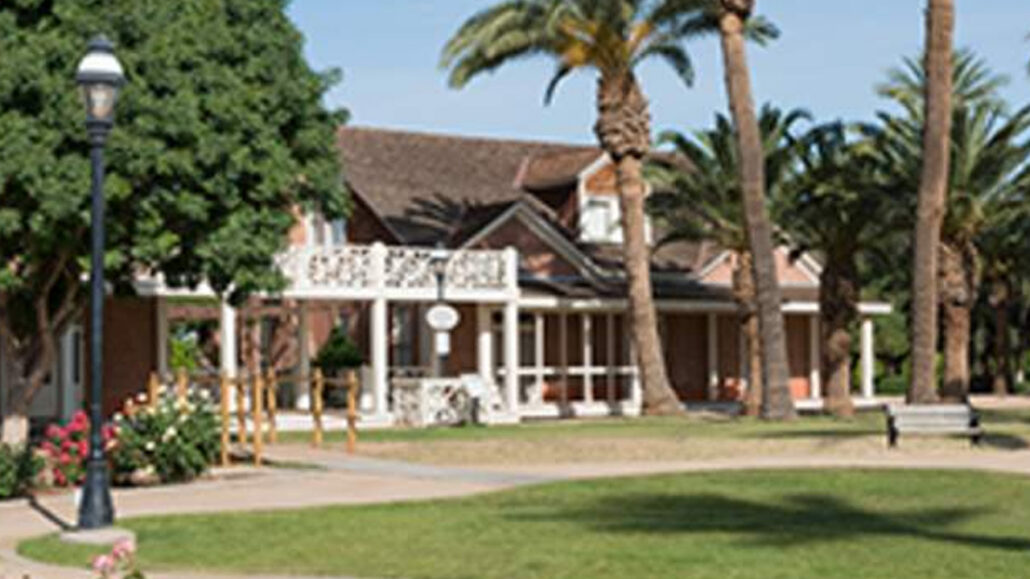
9802 N. 59th Avenue, Glendale, AZ 85302
Most people who have lived in Glendale for a while are familiar with Sahuaro Ranch Park.
It’s a beautiful park with historic buildings, gardens, and plenty of room to walk around.
But what surprises me is just how old some of those buildings really are.
Sahuaro Ranch began in 1886, when William Henry Bartlett established a 640-acre agricultural property.
The ranch grew fruit, including figs, oranges, and olives, along with other crops.
One of the oldest surviving buildings is the Adobe House, which is believed to have been built in 1887. And the adobe bricks used to build it were made right there on the ranch.
Think about that for a moment.
Arizona didn’t become a state until 1912.
That means you can visit a park in Glendale today and see a building that was already standing 25 years before Arizona became a state.
The ranch also has a historic main house, guest house, barns, and other structures that help tell the story of early agricultural life in the Valley.
The City of Glendale has preserved a portion of the original ranch, and the historic area is listed on the National Register of Historic Places.
Even if you’ve been to Sahuaro Ranch Park before, knowing some of the history makes it a little more interesting.
You can find information about visiting the historic grounds and available tours on the City of Glendale’s Sahuaro Ranch page.
4. The Old Glendale Beet Sugar Factory: What’s That Huge Building?
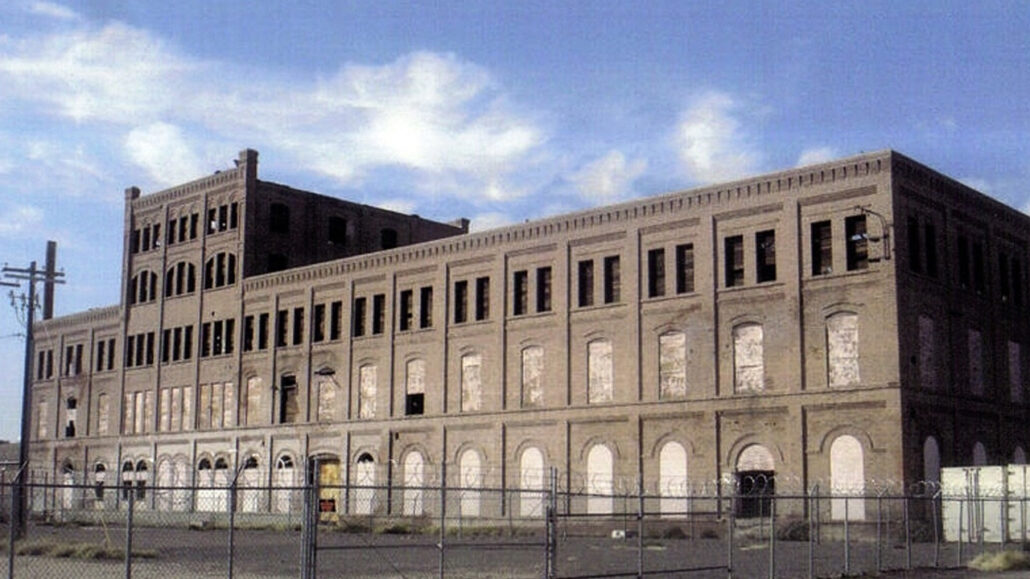
5243 W. Glendale Avenue, Glendale, AZ 85301
This might be my favorite example of a building you can drive past a hundred times without knowing its story.
If you’ve traveled near 52nd Avenue and Glendale Avenue, you’ve probably noticed the enormous old industrial building in the area.
It’s hard to miss.
That building is the old Glendale Beet Sugar Factory.
Construction began in 1903, and the factory was completed in 1906.
At the time, agriculture was a major part of Glendale’s economy. Farmers were growing crops throughout the area, and the factory was built to process locally grown sugar beets.
The operation was important enough that Glendale became known for a time as Sugar City.
The factory also helped bring workers and new housing development to Glendale. Residential subdivisions were established in the early 1900s to accommodate people working at the factory and in the surrounding agricultural operations.
The building eventually stopped processing sugar beets, but it continued to serve other industrial purposes over the years.
It was added to the National Register of Historic Places in 1978, and it’s still standing today.
Most of us look at it and see an old industrial structure. But it’s actually a reminder of an entirely different Glendale, when farming and food production were helping shape the city.
Unlike the other locations on this list, the sugar factory isn’t a public museum. It’s a historic landmark you can appreciate from surrounding public areas.
Why These Historic Places Are Worth Knowing About
One thing I’ve noticed about living in the Northwest Valley is how quickly the area continues to change.
New homes, new roads, new shopping centers, and major developments seem to be part of the conversation all the time.
And while there’s plenty to talk about when it comes to what’s being built next, I think it’s just as interesting to look at what was here before.
The Deer Valley Petroglyph Preserve reminds us that people were living and traveling through this region thousands of years ago.
Manistee Ranch and Sahuaro Ranch show us what Glendale looked like when agriculture dominated the landscape.
And the old Beet Sugar Factory tells the story of how Glendale began growing from a farming community into a town with businesses, workers, and new neighborhoods.
These places are all very different, but they have something in common. They’re pieces of local history that are easy to miss when you’re just going about your day.
Exploring Glendale, North Phoenix, and the Northwest Valley
If you’re new to the area, visiting historic places can be a fun way to get to know the communities beyond their shopping centers and subdivisions.
And if you’ve lived here for years, you might discover something you never knew about a road or neighborhood you’ve driven through countless times.
That’s one of the things I enjoy about the Northwest Valley. There’s always another story to discover.
I share local history, community updates, and real estate information because I think understanding an area is about more than just knowing what homes are selling for.
If you’re exploring neighborhoods in Glendale, Peoria, North Phoenix, or the surrounding Northwest Valley, I’m always happy to share what I know.
You can also explore local homes and communities at GoodGlendaleHomesForSale.com.
And the next time you’re driving around Glendale or North Phoenix, take a little more notice of what’s around you. You might be passing something with a fascinating story that you’ve never heard before.