


16 Nov Are New Construction Builder Incentives Really a Good Deal in Arizona?
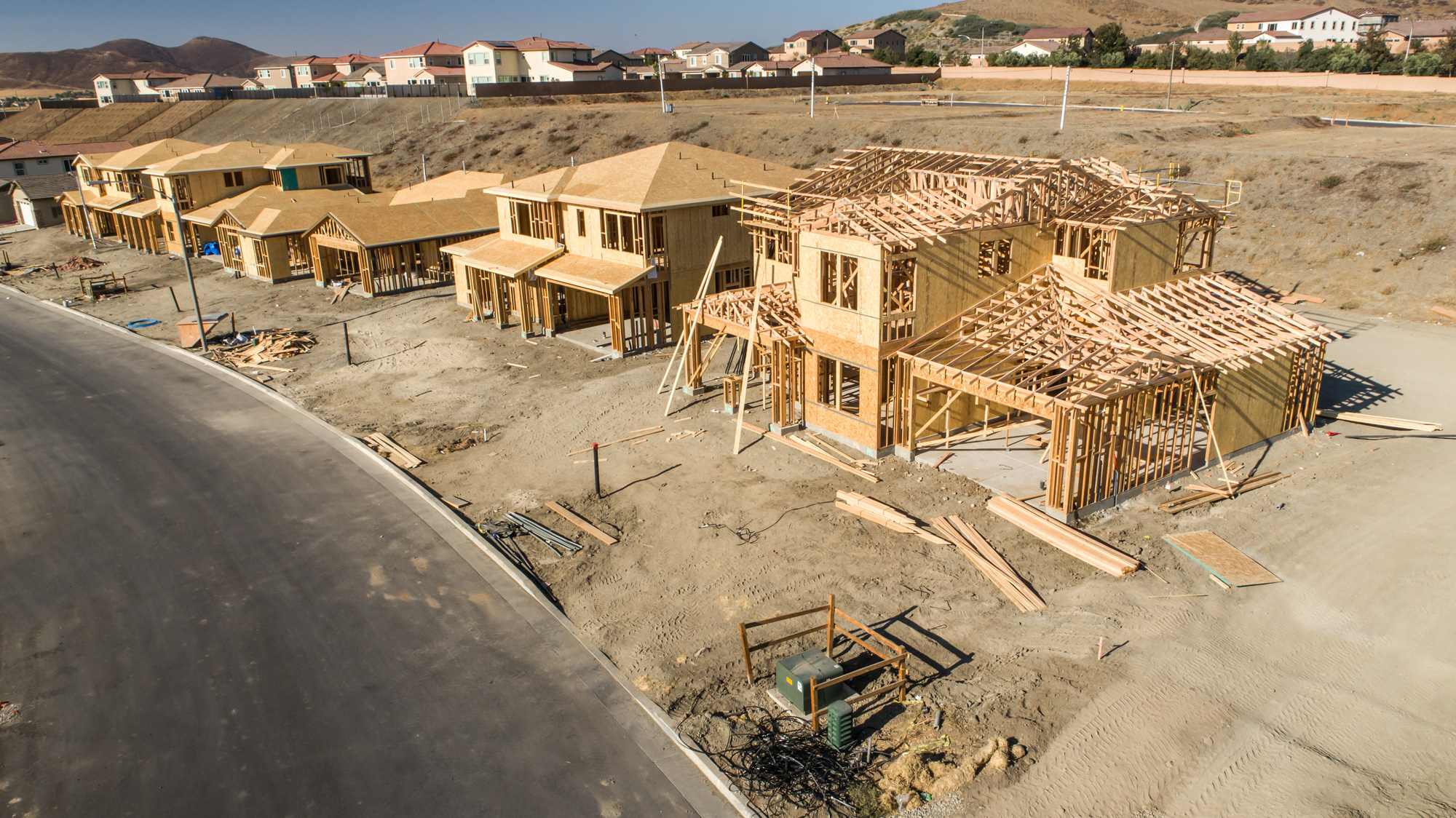
If you’ve been looking at new construction homes around Peoria, Glendale, Surprise, or the Northwest Valley, you’ve probably noticed some pretty attractive offers from builders.
Thousands of dollars toward closing costs. Special mortgage interest rates. Price reductions. Free upgrades.
Sometimes you’ll see a combination of several incentives advertised on the same home.
And when a builder is offering $20,000 or $30,000 in incentives, it’s certainly worth paying attention.
But here’s the question I think buyers should ask before getting too excited:
Why is the builder offering that incentive, and what does it actually save me?
Builders aren’t giving away money just to be generous. They’re trying to sell homes, and incentives are one way to make those homes more appealing.
That doesn’t mean the offers are bad. Some can be very worthwhile.
But I wouldn’t choose a home based on the incentive alone.
Why Are Home Builders Offering So Many Incentives?
One of the biggest challenges for homebuyers has been affordability.
Between home prices, mortgage rates, and the other costs of owning a home, monthly payments can be higher than buyers expected.
Builders know that.
They also have something individual homeowners usually don’t have: multiple homes to sell in the same community.
If a builder has several completed homes sitting unsold, those homes represent money tied up in inventory. Rather than wait indefinitely for buyers, a builder may offer incentives to encourage sales.
That’s one reason you might see a particularly attractive offer on a home that’s already built or nearly finished.
Why quick move-in homes sometimes have better incentives
A quick move-in home is a new construction home that’s already completed or close to completion.
The builder has generally selected the floor plan, structural options, and most or all of the finishes.
You don’t have to wait through the entire construction process, but you also may not have much opportunity to customize the home.
For builders, selling a completed home can be a priority. That may create an opportunity for buyers who are flexible about the floor plan, finishes, and location.
If you’re looking at new construction in North Peoria, Surprise, or another growing Northwest Valley community, it’s worth comparing the available quick move-in homes with homes that haven’t been built yet.
The incentives may be different, even within the same development.
What Types of Builder Incentives Are Available?
Not every builder incentive works the same way, and this is where I think buyers need to pay attention.
An offer that sounds impressive in an advertisement might be less useful once you look at the details.
Mortgage interest rate buydowns
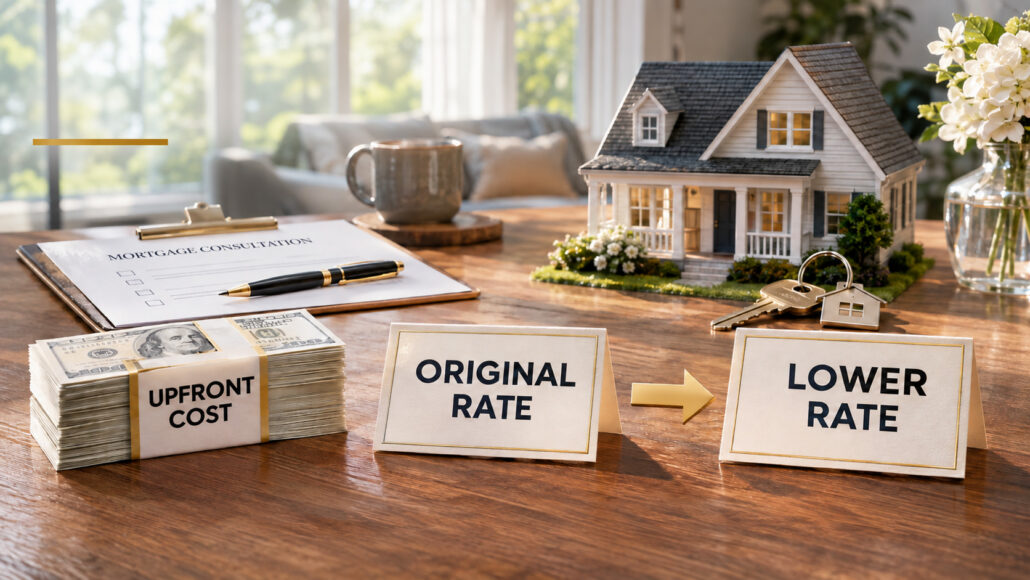
One of the most attention-grabbing incentives is a lower mortgage interest rate.
A builder may offer to pay some of the cost of reducing your rate, often through a preferred lender.
But you need to know whether the advertised rate is permanent or temporary.
A permanent rate buydown reduces the interest rate for the life of the loan, assuming you keep that mortgage.
A temporary buydown reduces the payment for a limited period, often the first one or two years. After that, the payment increases to the amount based on the full note rate.
Both can be useful, but they’re very different offers.
Before getting excited about a low advertised rate, ask what your payment will be after any temporary reduction ends.
Closing cost assistance
Some builders offer money toward closing costs.
Depending on the program and loan requirements, that money may help cover eligible expenses such as lender fees, title-related charges, prepaid costs, or discount points.
This can be especially helpful if you have enough income to comfortably afford the mortgage payment but would prefer to keep more of your savings available after moving.
Just remember that closing cost credits are subject to lender and loan-program limits. You may not be able to use every dollar of an advertised credit.
Purchase price reductions
Sometimes the builder simply reduces the price of a particular home.
That may be more appealing to buyers who prefer a lower purchase price rather than financing incentives.
A lower price can reduce the amount you need to borrow and may affect your down payment.
However, it doesn’t automatically mean you’re buying below market value or building instant equity. You’ll still want to compare the price with similar homes and review the appraisal.
Free upgrades and design credits
Builders may also advertise appliance packages, flooring upgrades, countertops, cabinets, or other design features.
These can be nice benefits, especially if they include things you would have paid for anyway.
But I would look carefully at how the builder values those upgrades.
A $15,000 upgrade package doesn’t necessarily mean you’d spend $15,000 to make those improvements yourself.
And an upgrade you don’t particularly want isn’t worth much to you, regardless of what the advertisement says.
Is a $30,000 Builder Incentive Actually Worth $30,000?

This is one of the biggest questions I’d ask.
Let’s say a builder advertises $30,000 in incentives.
Before assuming you’re getting an incredible deal, I’d want to know:
- Do you have to use the builder’s preferred lender?
- Is the offer available on every home or only certain quick move-in properties?
- Can you choose how the incentive money is used?
- Is the advertised mortgage rate temporary or permanent?
- Can the incentive be combined with a price reduction?
- Are there restrictions based on your financing or loan program?
- How does the total cost compare with another home that has a smaller incentive?
That last question is especially important.
Imagine you’re comparing two new homes. One builder offers a large closing cost credit, while another offers a lower purchase price.
The first offer might help you keep more cash in your bank account at closing. The second might result in a smaller mortgage balance.
Neither is automatically better.
The answer depends on your financing, your plans for the home, and what matters most to you.
Don’t Forget the Costs That May Not Be Included in a New Home
This is something I always encourage buyers to look at when comparing new construction.
A brand-new house can look beautiful in the model home, but not everything you see may be included in the base price.
Depending on the builder and the particular property, you may need to budget for:
- Backyard landscaping and hardscaping
- Window coverings
- Refrigerators, washers, dryers, or other appliances
- Certain lighting and ceiling fans
- Upgraded flooring or countertops
- Additional electrical or technology features
- HOA fees and other community-related costs
Arizona buyers should also pay attention to the backyard.
Some new homes come with very little landscaping beyond the front yard. If you’re planning on adding a patio, artificial turf, trees, or a pool, those costs can add up quickly.
So while a builder might be offering a generous financing incentive, you still need to look at what it will cost to make the home comfortable and functional after you move in.
Do You Have to Use the Builder’s Preferred Lender?
Not necessarily, but some of the most attractive financing incentives may be tied to using the builder’s preferred lender or an affiliated mortgage company.
That doesn’t automatically make the offer a bad one.
It does mean you should compare the complete loan terms.
I’d want to see the interest rate, annual percentage rate (APR), lender fees, discount points, mortgage insurance if applicable, and estimated monthly payment.
Ask another lender for a comparable Loan Estimate so you can see how the offers stack up.
Sometimes the preferred lender’s incentive makes its financing the better choice.
Other times, a different lender may offer competitive terms even without the builder’s advertised credit.
The only way to know is to compare the numbers.
Can You Negotiate With a New Construction Builder?
Many buyers assume that because a home is being sold by a builder, the price and incentives are completely fixed.
That isn’t always the case.
Builders may adjust their offers depending on the community, the number of available homes, the construction stage, and their sales goals.
You might find that one completed home has a much stronger incentive than another home just a few streets away.
That doesn’t mean every builder will negotiate or that every advertised offer can be improved.
But I wouldn’t assume there’s nothing to discuss without looking into the options.
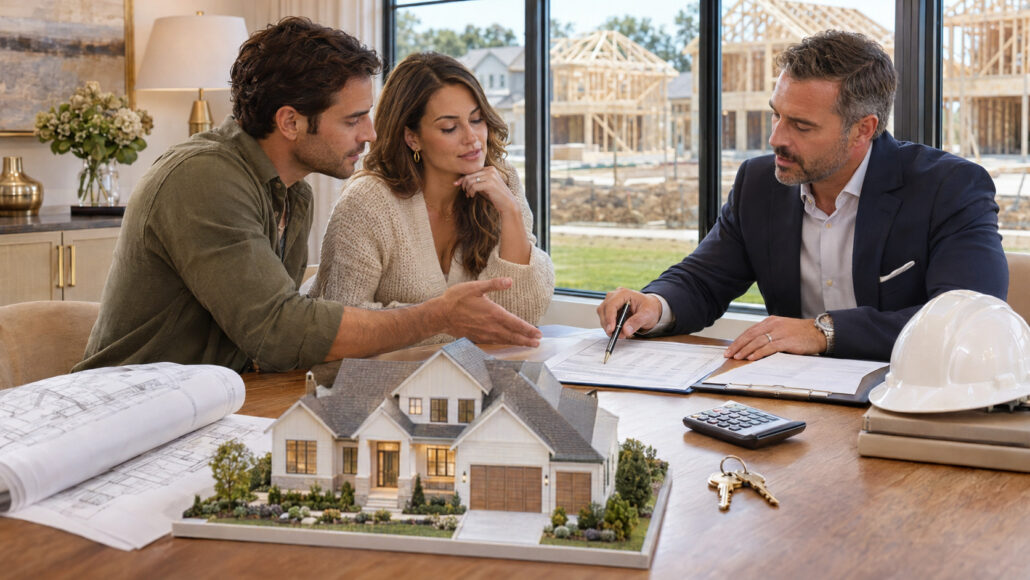
And remember, the salesperson in the model home represents the builder. You can have your own real estate agent helping you compare properties, understand the purchase agreement, and evaluate the available incentives.
If you want an agent representing you, it’s best to make those arrangements before your first visit to a new-home community. Builder registration and agent-compensation policies can vary.
Are Builder Incentives Better Than Buying an Existing Home?
This is another comparison worth making.
A new construction home might offer a special mortgage rate, builder warranty, and brand-new systems.
An existing home might offer mature landscaping, a finished backyard, window coverings, or a more established neighborhood.
You may also find that an individual seller is willing to negotiate on price or offer closing cost assistance.
For example, if you’re comparing a new home in North Peoria with an existing home in Arrowhead Ranch, the advertised prices alone won’t tell you which is the better value.
I’d compare the total monthly housing costs, cash needed at closing, likely move-in expenses, neighborhood amenities, and how well each home fits your needs.
It’s entirely possible that the new home will come out ahead.
It’s also possible that the existing home will be a better fit.
The point is to compare the whole package, not just the incentive.
What Should You Ask Before Accepting a Builder Incentive?
If you’re touring new construction communities around Glendale, Peoria, Surprise, or the Northwest Valley, I’d make sure you have answers to a few questions before signing anything.
Ask for the incentive terms in writing. Find out which homes qualify, whether the offer has an expiration date, and whether you’re required to use particular financing or title services.
If the offer involves a mortgage rate buydown, ask whether it’s temporary or permanent and request a breakdown of the payments.
Find out what’s included in the home and what you’ll need to purchase separately.
And most importantly, compare the total cost with other homes you’re considering.
You want to make sure you’re buying a home you actually like, in a location that works for you, with financing you can comfortably afford.
Looking at New Construction in the Northwest Valley?
Builder incentives can create some good opportunities for buyers, particularly when a builder is motivated to sell a completed home.
But the biggest number on the sign isn’t necessarily the best deal.
I think the better approach is to find a home that fits your needs first, then look carefully at how the builder’s offer affects the total cost.
If you’re considering new construction in Peoria, Glendale, Surprise, or another Northwest Valley community, I’m happy to help you compare the incentives, look at the numbers, and understand your options.
Because that $30,000 incentive sign might be persuasive, but it isn’t going to be making your mortgage payment.