


01 Oct The Things Around Your Arizona Home That Can Change After You Buy
When you’re buying a home, you’re naturally focused on what you’re getting on closing day.
The house. The backyard. The neighborhood. The view from the patio. The school nearby. Maybe even that nice empty piece of land behind the house that makes everything feel a little more private.
But here’s something buyers don’t always think about:
The house may stay the same, but the things around it might not.
That’s especially worth thinking about in Arizona, where areas like Peoria, Surprise, Glendale and the rest of the Northwest Valley continue to grow and change.
I’ve watched this area develop for a long time, and one thing I think buyers should remember is that you’re not only buying a home as it looks today. You’re also buying into a community that may look different five, ten or even twenty years from now.
That Empty Land Might Not Stay Empty
This is probably one of the biggest examples.
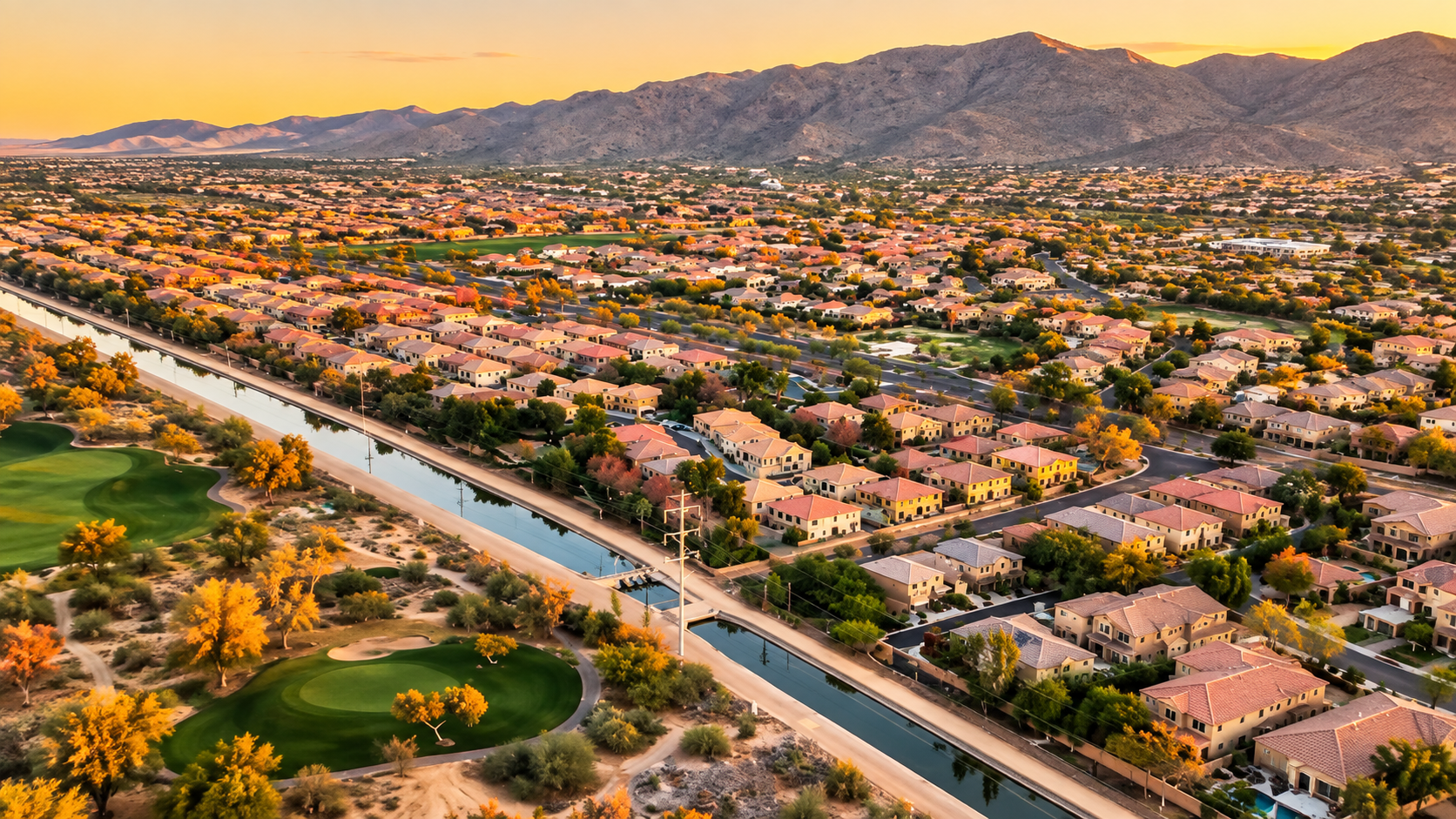
You find a home you love, walk into the backyard and see open desert behind you.
No houses. No businesses. Maybe you even have a beautiful view.
It’s easy to look at that and think, “This is perfect.”
But what is that land actually zoned for? Is development already planned? Has anything been proposed nearby?
Those are questions worth asking before you buy.
The Arizona Department of Real Estate specifically encourages buyers to investigate things beyond the property itself, including adjacent land and its uses. For new subdivisions, Arizona’s Public Report can also contain information about adjacent land, utilities, local services and planned improvements.
That doesn’t mean something is definitely going to be built behind the house.
It simply means I wouldn’t assume vacant land will remain vacant forever.
Around the Northwest Valley, we’ve seen areas that once felt pretty far removed from everything become surrounded by homes, shopping, restaurants and other development.
Growth can bring conveniences. It can also change traffic, views, noise and the overall feel of an area.
Your View Isn’t Always Guaranteed
This goes right along with vacant land.
A mountain view, desert view or open-space view can absolutely be one of the reasons someone falls in love with a home.
But unless there are legal protections affecting the surrounding property, I think buyers need to be careful about assuming that view can never change.
The same applies when you’re looking across a vacant lot, open desert or undeveloped acreage.
I’d rather know what we can about the surrounding land before buying than discover a development proposal after moving in.
Roads and Traffic Can Change Too
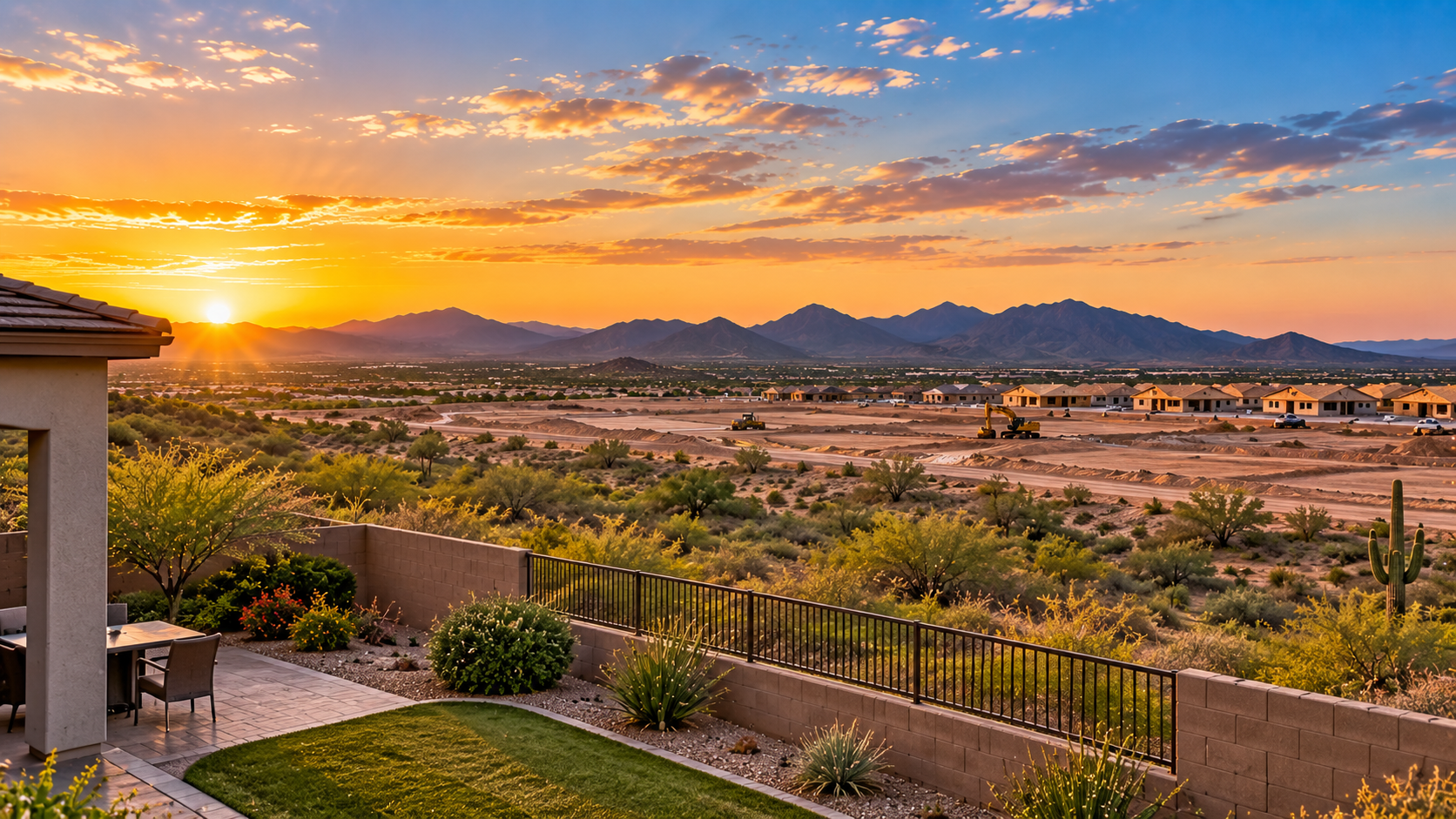
Maybe you’re buying in an area that currently feels quiet.
Then more neighborhoods are built.
A road gets extended.
A nearby commercial center opens.
Suddenly the route you use every morning looks very different.
Of course, development can work the other way too.
A new road might improve access. A grocery store five minutes away could make life considerably more convenient. New restaurants, parks and services can make an area more appealing to the people who live there.
The point isn’t that change is bad.
It’s that change is possible.
When I’m looking at a home in a growing area, I think it’s worth looking beyond what’s already built and finding out what may be planned nearby.
Schools and Boundaries Can Change
This is another one families sometimes overlook.
Being near a particular school doesn’t necessarily mean everything surrounding school assignments will stay exactly the same forever.
Arizona law provides a process for school districts to change attendance boundaries, including public meetings and notification requirements for affected residents and parents. Arizona also has open-enrollment options, subject to available capacity.
If a particular school is important to your decision, verify the current information directly with the school or district rather than relying solely on a real estate listing or an old online map.
And remember that you’re verifying what applies today, not receiving a guarantee about what will happen years from now.
HOA Costs and Community Rules Aren’t Something I’d Ignore
If you’re buying in an HOA community, you’ll receive documents explaining the association, assessments, rules and other important information.
Read them.
I know that’s not exactly thrilling evening entertainment, but these documents affect what you can do with your property and what you’re expected to pay.
The Arizona Department of Real Estate’s Buyer Advisory specifically tells buyers to review HOA governing documents, including CC&Rs, bylaws, rules and architectural standards.
Don’t base your entire opinion of an HOA on the monthly assessment you see in the listing.
Understand what the association covers, what its rules are and what you’re agreeing to when you purchase the home.
The Neighborhood Around You Will Keep Evolving
This is the bigger point.
Think about parts of Peoria or Surprise that looked completely different 10 or 20 years ago.
Areas grow.
Restaurants open and close. Shopping centers get built. Roads expand. New communities appear. Parks and trails are added. Empty parcels become something.
Sometimes those changes are exactly what homeowners were hoping for.
Sometimes they’re not.
And nobody can perfectly predict what a neighborhood will look like decades into the future.
That’s why I think it’s useful to separate what exists today from what you’re assuming will stay that way.
Look Beyond the Property Lines Before You Buy
When you’re touring a home, obviously look at the roof, AC, kitchen, bedrooms and backyard.
But take a few minutes to look outward too.
What’s behind the house?
What’s across the street?
What’s being built nearby?
What does the zoning allow?
Are there major roads or undeveloped parcels close by?
What do the HOA documents say?
If schools matter to you, have you verified the current information with the district?
You can’t investigate every possible thing that might happen around a home.
But you can avoid making a major purchase based on assumptions that were never actually verified.
And in growing parts of Arizona, I think that’s especially important.
A home isn’t sitting in a photograph. It’s sitting in a community that’s going to keep changing around it.
The goal isn’t to find a place where nothing will ever change.
It’s to understand as much as you reasonably can about the home and what’s around it before you decide whether it’s the right fit.