



24 Aug The Arizona Real Estate Contract Explained:
What Home Buyers Are Actually Signing
Buying a home in Arizona can feel exciting right up until the paperwork shows up.
Once you find the right house and decide to make an offer, things can move pretty quickly. Suddenly you’re looking at purchase price, earnest money, inspection periods, financing, appraisal language, closing dates, possession, and quite a few other details.
I understand why buyers can feel overwhelmed by it.
The Arizona REALTORS® Residential Resale Real Estate Purchase Contract covers a lot because it’s doing an important job. It spells out what the buyer and seller are agreeing to and what needs to happen between an accepted offer and closing. Arizona REALTORS® updated its Residential Resale Real Estate Purchase Contract in February 2026, so buyers should make sure they’re reviewing the current documents being used in their transaction.
You don’t need to memorize the contract. But if you’re buying a home in Arizona, there are a few sections I think are especially helpful to understand.
What Is Earnest Money When Buying a Home in Arizona?
Earnest money is one of those terms buyers hear almost immediately after they start writing an offer.
Basically, it’s money the buyer deposits as part of the transaction after entering into the contract. The amount and terms are part of the offer.
I wouldn’t think of earnest money as simply another fee you’re paying to buy the house. It’s tied to the contract, which means what ultimately happens to that money can depend on whether the transaction closes and, if it doesn’t, why it was canceled.
That’s why it’s important to understand your obligations and deadlines rather than assuming earnest money is automatically refundable in every situation.
How Does the Arizona Home Inspection Period Work?
The inspection period is another part of the Arizona real estate contract that buyers should pay close attention to.
This is your opportunity to do your due diligence on the property.
And that’s broader than simply having a home inspector walk through the house.
Arizona REALTORS® describes the due diligence section as the buyer’s opportunity to investigate the property before closing, including its condition and other issues that may affect the buyer’s decision.
The contract establishes an inspection period, but the specific terms of your transaction matter. That’s why I always want buyers to know exactly when their inspection period ends.
Deadlines in a real estate contract aren’t something you want to discover after they’ve already passed.
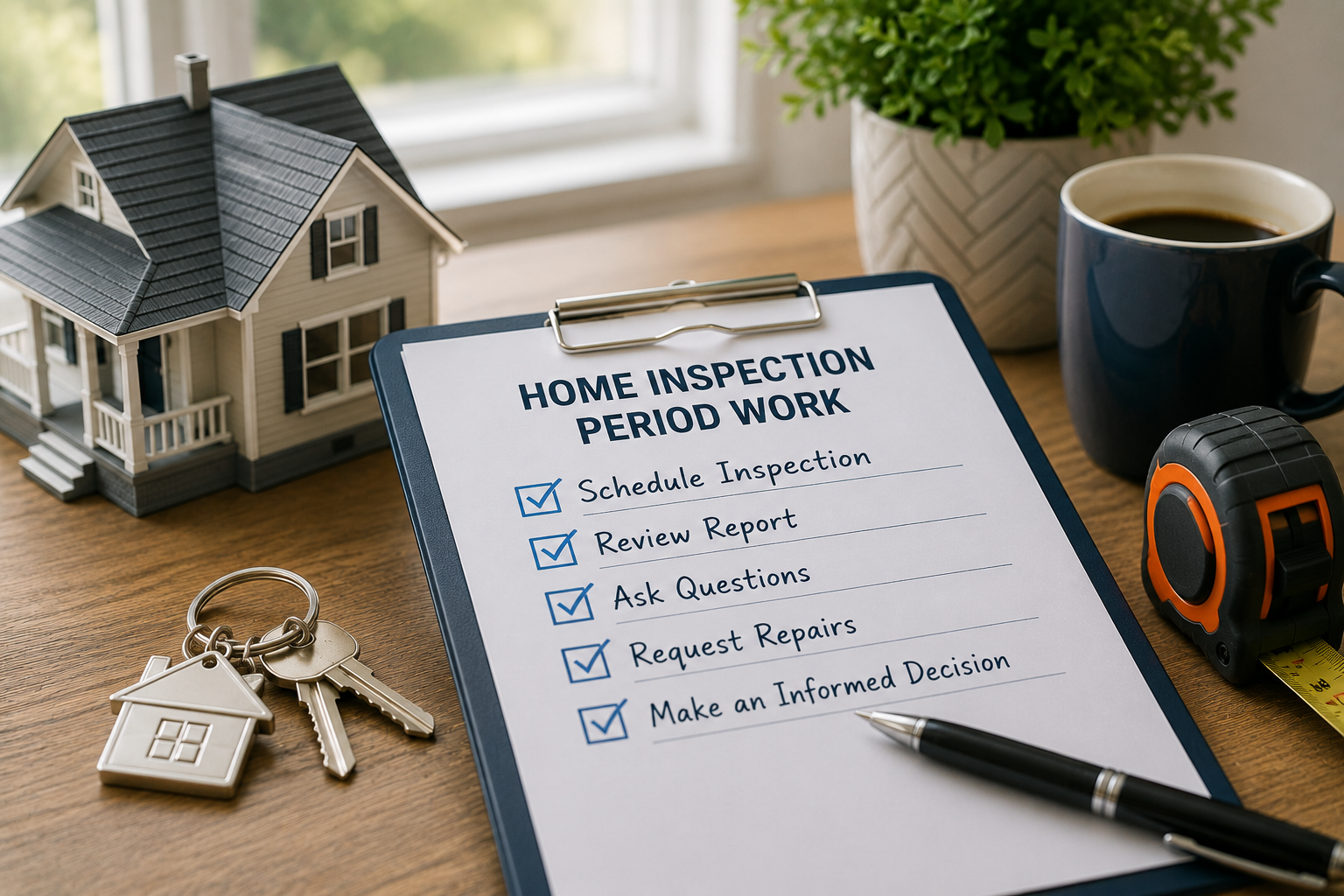
What Is a BINSR in Arizona Real Estate?
If you’re buying a home in Arizona, there’s a good chance you’ll hear the term BINSR.
It stands for Buyer’s Inspection Notice and Seller’s Response.
After completing their inspections and investigations, buyers can use the BINSR to identify items they disapprove of. Depending on the circumstances and the contract, a buyer may cancel based on the items disapproved or give the seller an opportunity to correct or address them.
This is where I think buyers sometimes have the wrong expectation.
An inspection doesn’t automatically mean the seller has to fix everything the inspector finds.
Homes have issues. Even well-maintained homes can have a long inspection report.
The inspection and BINSR process is about understanding what you’re buying and deciding how you want to proceed under the terms of your contract.
Sometimes that involves asking the seller to address certain items. Sometimes the buyer decides they’re comfortable moving forward. Other situations can be more complicated.
The important part is understanding your options before you make that decision.
What Happens If the Home Doesn’t Appraise for the Purchase Price?
If you’re financing the purchase, an appraisal may become another important part of the transaction.
The appraisal is ordered as part of the lender’s process and is different from your home inspection.
An inspector is primarily helping you understand the condition of the property.
An appraiser is evaluating the property for the lender.
Under the Arizona REALTORS® contract’s financing provisions, a lender-required appraisal contingency can protect a buyer when the property fails to appraise for at least the purchase price, subject to the terms and deadlines of the contract.
That doesn’t necessarily mean a low appraisal automatically kills the deal.
Depending on the situation, there may be options to discuss. The seller might agree to change the price. A buyer may decide to cover some difference where permitted. Or the contract may provide an option to cancel.
This is one of those situations where the exact language of your contract matters.
What Is the Loan Contingency?
Getting pre-qualified before making an offer is important, but it doesn’t mean the loan process is finished.
Your lender still has work to do after you’re under contract.
There may be underwriting requirements, documentation requests, an appraisal, and other conditions that need to be satisfied before the loan is ready for closing.
The Arizona REALTORS® contract includes financing provisions addressing the buyer’s loan contingency. Arizona REALTORS® explains that the buyer’s obligation to complete the sale under those provisions is contingent on obtaining the required loan approval, subject to the specific requirements and deadlines in the contract.
This is also why I tell buyers not to make major financial changes while they’re purchasing a home without talking to their lender first.
You don’t want to get close to closing and create a financing problem that could have been avoided.

When Do You Actually Get the Keys?
This sounds like the simplest question in the entire transaction:
“When do I get my keys?”
But it’s worth understanding what the contract actually says.
Possession is tied to the terms agreed upon in the purchase contract. The standard Arizona contract provides for the seller to deliver possession, keys, and means of operating locks and certain systems at close of escrow unless the parties agree otherwise.
That’s different from assuming you’ll get the keys when you sign your closing documents.
Signing documents and actually closing escrow aren’t necessarily the same moment.
I know buyers are excited at that point. You’ve probably already packed. You may have movers scheduled. You’re ready to get into the house.
But don’t plan around assumptions. Look at the possession terms in your actual contract.
The Dates in Your Arizona Purchase Contract Matter
If there’s one thing I want buyers to understand about the Arizona real estate contract, it’s that the dates aren’t suggestions.
There are deadlines throughout the transaction.
Your inspection period has a deadline. Financing provisions have requirements and deadlines. Appraisal-related rights can have deadlines. Closing has a date.
And depending on the transaction, there may be addenda or additional terms that create other obligations.
This is one reason having someone walk through the contract with you is so helpful.
You should know not only what you’re signing, but also when you’re expected to do something.
Do You Need to Understand Every Page Before Making an Offer?
You should understand what you’re agreeing to, but that doesn’t mean you need to become an expert in Arizona real estate contracts.
That’s not realistic for most buyers.
What I want my buyers to understand are the parts that directly affect their purchase.
How much earnest money are you putting down?
When does it need to be deposited?
How long is your inspection period?
What happens after the inspection?
How does your financing contingency work?
What happens if the appraisal comes in low?
When is closing?
When do you get possession?
And are there any additional terms or addenda that change the standard contract?
Those are the conversations that make the paperwork much less intimidating.
Buying a Home in Glendale, Peoria or the Northwest Valley?
Whether you’re buying your first home in Glendale, looking at new options in Peoria, considering Arrowhead Ranch or Vistancia, or relocating to Arizona from another state, don’t be afraid to ask questions about the contract.
I’ve found that buyers feel much more comfortable once they understand what each stage of the transaction actually means.
You don’t need to memorize every page.
You just shouldn’t feel like you’re signing something without understanding what it means for you.
If you’re thinking about buying a home in Glendale, Peoria, Arrowhead Ranch, Vistancia, or anywhere in the Northwest Valley, I’m happy to walk you through the process and explain what to expect before you’re sitting there with an offer in front of you.