



09 Aug Selling Your Home in Arizona: What Happens After You List?
You’ve cleaned the house, made the repairs, taken the photos, decided on a price, and your home is officially listed for sale.
Now what?
A lot of sellers think the next part is pretty simple. You list the home, wait for an offer, and eventually show up at closing.
There’s actually quite a bit that happens in between.
One of the questions I get from homeowners is what they should expect once their home goes live. Every sale moves at a different pace, but knowing what generally happens along the way can make the whole experience feel a lot less overwhelming.
What Happens When Your Home Is Listed for Sale?
Once your home is officially on the market, buyers can start finding it online and scheduling showings.
This is also when we start seeing how buyers are responding to the home.
Are people looking at the listing online? Are they scheduling showings? Are buyers coming back for a second look? What are they saying after they see the home?
I don’t think sellers should get too caught up in one comment from one buyer. But when we start hearing the same thing more than once, I pay attention.
Those first few weeks aren’t just about waiting for an offer. They can tell us a lot about how your home is competing with the other homes buyers are considering.
What Should You Expect During Home Showings?
For a lot of sellers, showings are probably one of the more inconvenient parts of selling.
You’re trying to keep the house clean, work around showing requests, and sometimes leave the home with relatively little notice.
But this is when buyers finally get to experience your home beyond the photos they saw online.
After showings, I look at both the amount of activity we’re getting and what buyers are saying.
If we’re getting very few showings, that tells me something different than getting plenty of showings but no offers.
Maybe buyers like the home but aren’t responding to the price. Maybe they’re comparing it to another home nearby. Or maybe there’s something about the presentation that we can improve.
This is where I encourage sellers to stay flexible and look at what buyers are actually doing.
What Happens When You Get an Offer?
Getting an offer is exciting, but I always remind sellers not to look at the price alone.
There are other parts of the offer that matter too, including the buyer’s financing, earnest money, proposed closing date, contingencies, and any other terms or requests included in the contract.
Two buyers can offer a similar price and still give you two very different offers.
Depending on the situation, you may decide to accept the offer, reject it, or negotiate.
Once both sides agree to the terms and the contract is executed, the home moves into the next part of the selling process.
And there’s still quite a bit to do.

Your Home Is Under Contract. What Happens Next?
Going under contract is a big step, but it doesn’t mean the sale is finished.
Depending on the terms of the contract, the buyer may have an inspection period. If they’re financing the home, their lender will also be working through the loan process, and an appraisal may be required.
At the same time, title and escrow are working behind the scenes.
There’s usually a lot happening during this part of the sale, and this is where I really try to keep my sellers updated on what’s happening and what comes next.
What Happens During the Home Inspection?
This is one part of the process that can make sellers a little nervous.
Even if you’ve taken great care of your home, an inspector may find things you didn’t know about. That’s normal. Inspectors are there to evaluate the condition of the property, and even well-maintained homes can have items noted on an inspection report.
Depending on the findings and the terms of the contract, the buyer may have questions or requests.
Sometimes they’re relatively minor. Other times, something more significant comes up that needs to be discussed.
It doesn’t automatically mean the sale is in trouble. It simply means there may be another conversation or negotiation before everyone moves forward.
What Happens With the Appraisal?
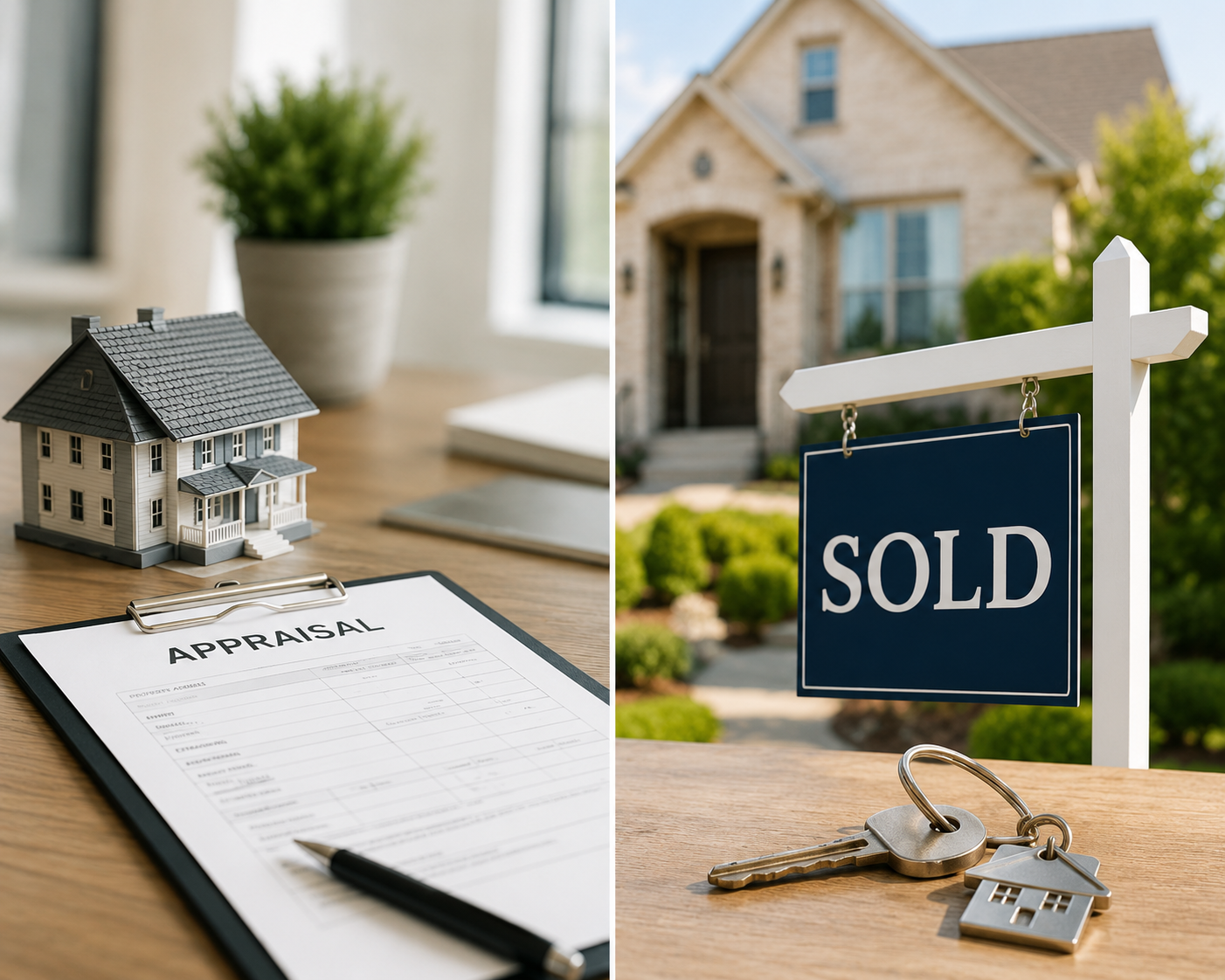
If the buyer is financing the home and their lender requires an appraisal, that becomes another step in the process.
Sometimes the home appraises right where everyone expected.
Sometimes it doesn’t.
If an appraisal comes in lower than expected, it doesn’t automatically mean the transaction is over. What happens next depends on the contract, the buyer’s financing, and the particular situation.
There may be options to discuss, and this is another time when I want my sellers to understand exactly what’s happening before making a decision.
What Happens Before Closing on an Arizona Home?
As closing gets closer, there are still a few things happening.
The buyer will generally complete a final walkthrough according to the terms of the contract. This gives them an opportunity to see the property again before closing and confirm its condition.
There will also be final paperwork, numbers to review, and coordination between the buyer, seller, lender, title company, escrow, and agents.
Sellers will need to make sure the home is ready to transfer to the new owner according to the agreement.
Then comes closing.
Once everything required for the transaction has been completed and the sale officially closes, possession is handled according to the terms of the contract.
How Long Does It Take to Sell a Home in Arizona?
This is probably one of the most common questions I get, and there isn’t one answer that works for every home.
There are really two different timelines.
First, how long will it take to receive and accept an offer?
Then, once you’re under contract, how long will it take to actually close?
Both can vary.
Your home’s location, condition, price range, competition, buyer demand, financing, and the terms of the offer can all affect the timeline.
That’s why I prefer looking at what’s actually happening around your home instead of relying on a broad headline about the Arizona housing market.
Even here in the Northwest Valley, neighborhoods can behave differently.
A home in Arrowhead Ranch may see different buyer activity than a home in Vistancia. The same can be true between different parts of Glendale, Peoria, Arrowhead Lakes, Fletcher Heights, and North Peoria.
What buyers are doing in your neighborhood and price range is what really matters.
What If Your Home Doesn’t Get an Offer Right Away?
Not every home sells during the first few days or weeks on the market.
If you aren’t seeing the activity you expected, that doesn’t automatically mean there’s something wrong with your home.
It does mean it’s worth looking at what’s happening.
Are buyers seeing the listing online but not scheduling showings?
Are people touring the home but not making offers?
Are similar homes nearby selling?
Has new competition come on the market?
Are we hearing the same concern from several buyers?
Those are the questions I start looking at.
Sometimes the answer may be adjusting the price. Sometimes better photos, presentation, or a change in marketing can help. And sometimes the right decision is simply to give the home more time.
Every situation is different.
Knowing What Comes Next Makes Selling a Lot Easier
There’s a lot that happens between putting your home on the market and handing over the keys.
You’ll have showings, buyer feedback, offers, negotiations, inspections, financing, an appraisal when applicable, title and escrow work, a final walkthrough, and closing.
You don’t need to know every detail before you sell. You just need someone who can explain what’s happening along the way and help you know what to expect next.
If you’re thinking about selling your home in Glendale, Peoria, Arrowhead Ranch, Arrowhead Lakes, Vistancia, or anywhere in the Northwest Valley, I’m always happy to answer questions and talk through what the selling process could realistically look like for your home.